Core Technologies: The “Invisible Shield” of Advanced Manufacturing
Functional coating technologies create dense, nanoscale films in a vacuum environment, giving components exceptional mechanical and chemical properties. DLC (diamond-like carbon) and Ta-C (tetrahedral amorphous carbon) coatings—characterized by high sp³ bonding—deliver ultra-high hardness (>40 GPa) and extremely low friction (<0.1). These coatings have become standard solutions for high-load tribological applications.
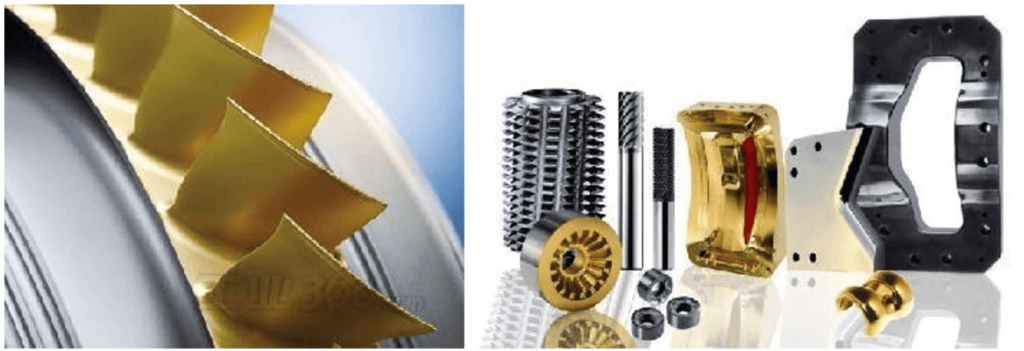
By dramatically extending component lifetime and ensuring stability under extreme operating conditions, they serve as an indispensable “invisible shield” for machine tools, automotive powertrains, and precision motion systems.
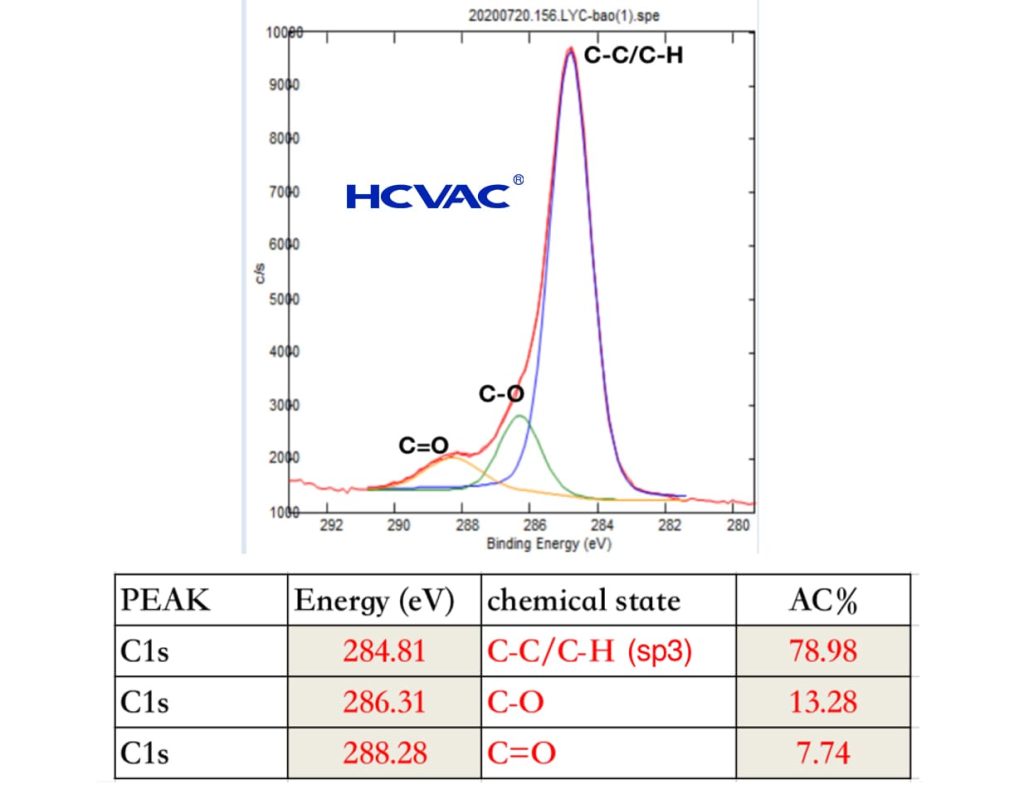
Comparison of SP3 content testing in ta-C coatings
HCVAC’s Strategic Positioning and Industry Drivers
As a leading provider of advanced vacuum application solutions in China, HCVAC (stock code: SZ301392) has systematically developed high-energy ionized coatings, composite film systems, and interface-strengthening processes. These advancements play an important role in advancing industry upgrade of China's manufacturing.
1. Overcoming Process Barriers and Setting Mass-Production Standards
To address common challenges in high-end coatings—coatings prone to delamination and excessive particulate generation—HCVAC moved beyond the traditional “single-equipment” approach and established an integrated framework of equipment + process + film-system.
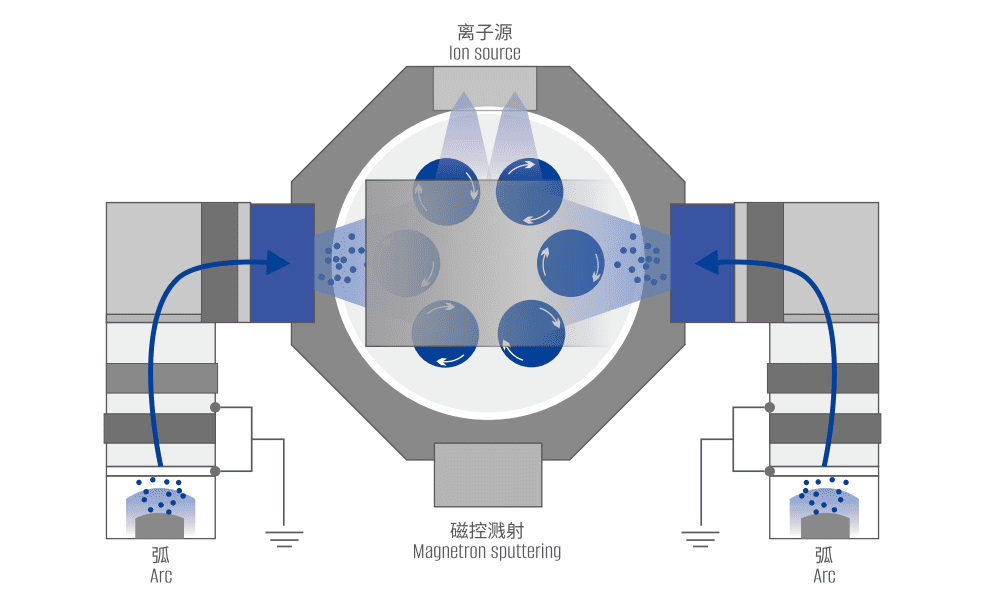
With its independently developed second-generation enhanced cathodic arc and HIPIMS (High-Power Impulse Magnetron Sputtering) technologies, HCVAC achieved significant breakthrough in film density and adhesion, laying a new benchmark for high-volume manufacturing of premium coating processes in China.
2. Empowering the New-Energy Sector and Resolving Critical Bottlenecks
In the hydrogen energy industry, corrosion and contact resistance in metallic bipolar plates remain core technical bottlenecks. HCVAC’s SCG (graphite-like carbon) functional coating—built on a high-ionization platform and carbon-based composite layers—successfully resolves uniformity issues in large-area coatings.
This solution not only greatly reduces fuel cell stack power consumption, but also lowers costs and promotes adoption of key hydrogen components through domestic equipment, supporting the new energy industry chain.
3. Innovating Hybrid Processes and Redefining Manufacturing Workflows
HCVAC’s proprietary PN + PVD (ion nitriding + DLC) in-chamber hybrid process completes both surface hardening and functional coating in a single vacuum system. By eliminating the brittle interface zone, the process markedly enhances fatigue resistance in molds and precision components.
It also helps downstream customers streamline manufacturing steps, improve yield rates, and transition from traditional manufacturing to smarter production workflows.
Conclusion
HCVAC’s deep investment in functional coating technologies has transformed coatings from a “value-added surface treatment” into a core manufacturing process that defines performance limits.
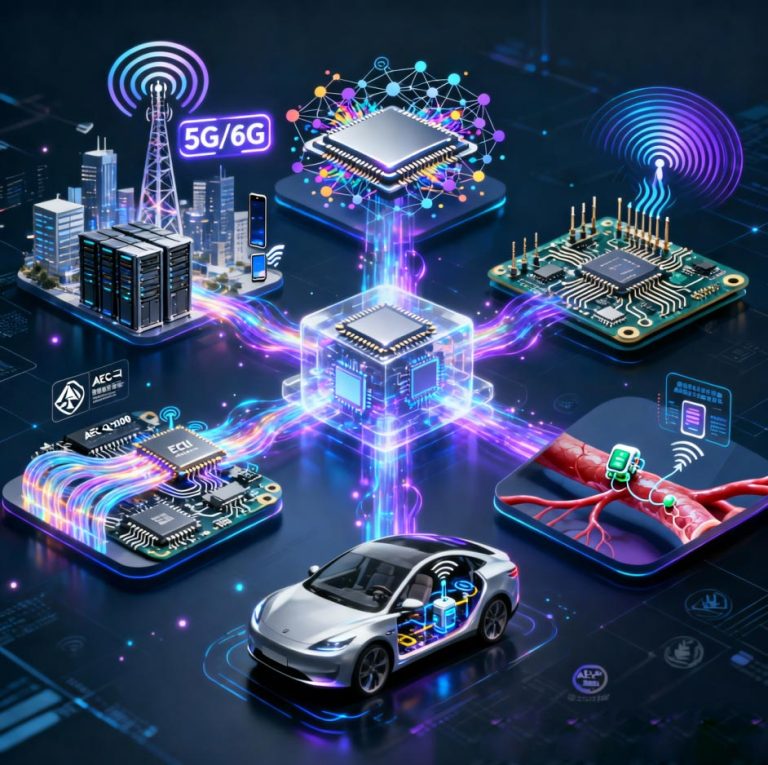
By delivering full production-line capabilities with engineered interfaces and predictable performance, HCVAC enables China’s high-end manufacturing sector to overcome material limitations and strengthen process autonomy across strategic sectors including cutting tools, molds, hydrogen-energy components, and precision electronics.